What We Do
Stories gathered, researched, created, and preserved.
Million Memory Project combines oral history, archival research, publishing, and technology. Here is how a project moves from first conversation to finished book and lasting archive.
Phase 01 — Gather
Gathering stories begins with trust.
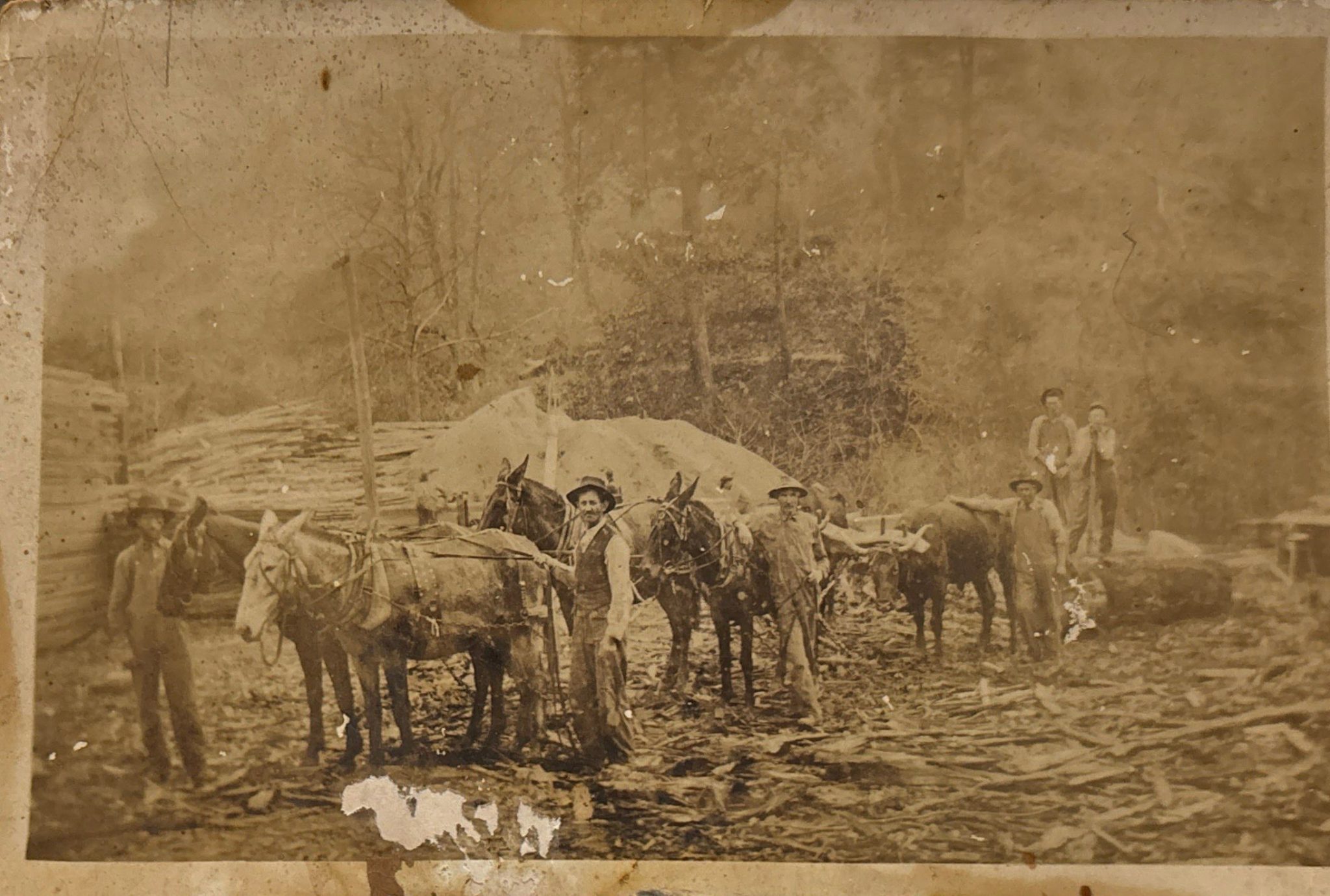
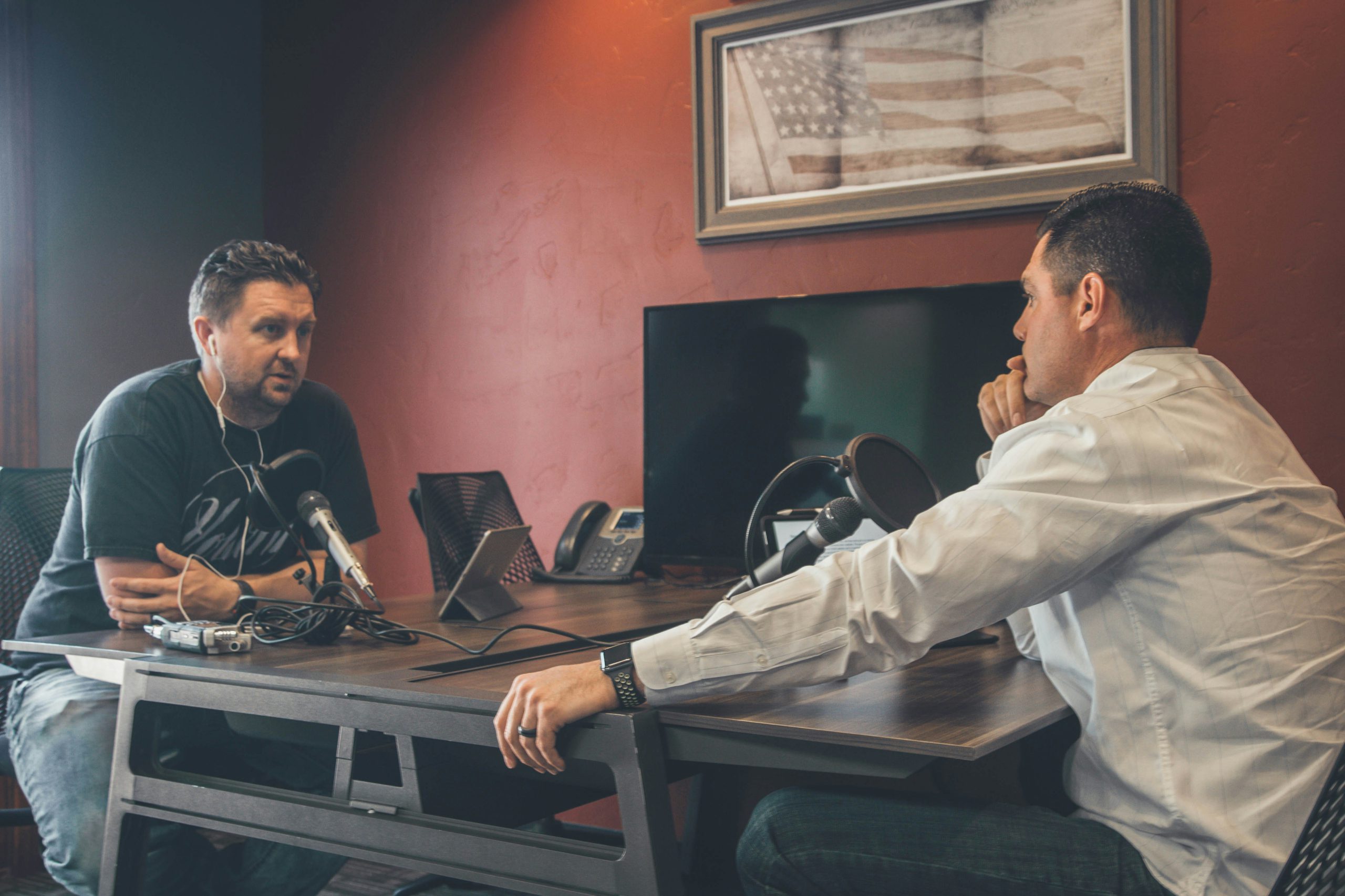
Every project starts with a conversation. We record interviews and oral histories, and we collect photographs and documents from the people, families, artists, institutions, and communities at the center of the story.
This work happens in homes, churches, music venues, community centers, and small-town meeting rooms, so we put capture first: the most sophisticated archive in the world is useless if the recording never happened.
Supporting systems
- Intake cataloguing — every item gets a unique identifier and provenance record when it is collected, with names, places, and dates captured close to the source.
- Rights & consent tracking — contributor permissions and publication rights are recorded when material is collected.
Phase 02 — Research
Research gives memory its context.
Interviews need context. We check each story against archival records, regional histories, library collections, and scholarly sources, and we ask the people in it to review what we found.
Technology helps us move through large collections without flattening them. Human researchers decide what the connections mean.
Supporting systems
- Transcript search — searchable interviews let researchers return quickly to names, places, themes, and quotes.
- Connection mapping — structured records reveal relationships between people, places, events, images, and documents.
- Gap analysis — tools that surface what is missing: voices not yet recorded, periods not yet documented.


Phase 03 — Create
The archive becomes a book.
Then we shape the story: editing, image sequencing, design, typography, captions, and production.
Every quote, image, caption, and claim stays linked to its source, from the first draft to the printed book.
Supporting systems
- Source verification & provenance — claims, dates, names, and captions are checked, and every element traces back to the record it came from.
- Editorial & subject review — subjects and communities review drafts for accuracy and consent before anything goes to print.
Phase 04 — Preserve
Publishing is not the end of the work.
The book is one part of the project. The archive behind it (interviews, photographs, documents, metadata, permissions, and research notes) carries the record forward.
Preservation is more than storage. Storage means a file exists. Preservation means that material remains findable, readable, understandable, and useful years from now, even as platforms, formats, and institutions change.
Supporting systems
- Redundant storage — multiple storage locations and backups, so no single failure can cause loss.
- Discovery metadata — descriptions, transcripts, and relationships that help future researchers find and understand the material.
- Institutional partnerships — where appropriate, collections are prepared for libraries, archives, universities, and cultural institutions.

What guides us
Principles behind the process.
01
Research is responsibility
Stories deserve rigor. We check claims, add context, record our sources, and let the people we write about review the text.
02
Community over efficiency
We do not move faster than trust allows. Building relationships is part of the work, and it takes time.
03
Ethical technology use
We build our own software and partner with companies like TheirStory. Software helps us search and organize collections. People decide what a story means and what goes in the book.
Ready to start?
Tell us about your project, and we’ll take it through the same four phases: gather, research, create, and preserve.